Camping Tent Scavenger Hunt: A Ready-to-Use Party Template
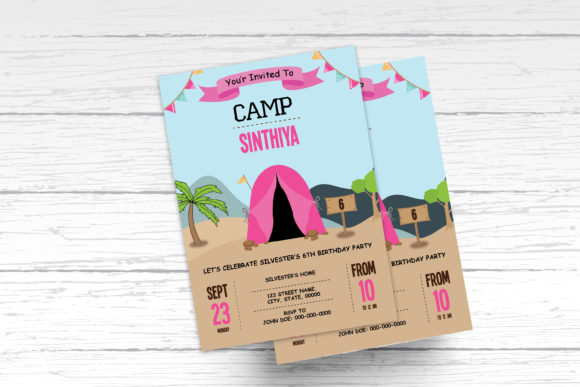
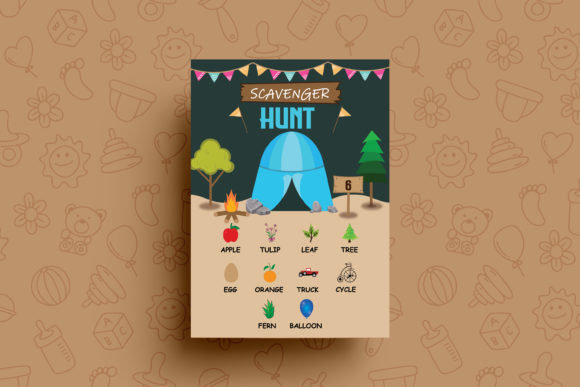
Planning a child’s birthday party often feels like a juggling act between creativity and time management. You want the event to be memorable and visually cohesive, but you also need to get the invitations out before the RSVP deadline hits. For those organizing a woodland or outdoor-themed celebration, the Scavenger Hunt Party Template offers a specific solution that bridges the gap between professional design and DIY convenience. This particular listing focuses on a "Camping Tent" theme tailored for boys, delivered as a digital file that allows you to add your party details to a pre-existing, high-quality layout. It’s a practical asset for parents, event planners, and small business owners in the party supply niche who need a polished result without the cost of a custom graphic designer.
The Value of a Fixed Layout in Event Design
One of the most common hurdles in digital design is "decision fatigue." When given a blank canvas or a fully editable template where every element can be moved, resized, or recolored, the average user often spends hours tweaking details that don't matter. This Scavenger Hunt Party Template takes a different approach by locking the design elements. The file instructions clearly state that you cannot change the layout, design, color, or font sizes. While this might sound restrictive at first, it is actually a significant advantage for maintaining visual consistency and professional presentation.
When you use a template with a fixed design, you are essentially borrowing the expertise of a professional designer. The typography, color palette, and spacing have already been balanced for you. This ensures that the final product—whether printed at home or at a local print shop—looks like a cohesive piece of brand identity rather than a disjointed collection of elements. For a children's party, this visual harmony sets the mood immediately. The camping tent graphics, rugged textures, and typography are pre-selected to evoke a sense of adventure, ensuring the invitation feels "on-brand" for a woodland theme.
Technical Specifications for Crisp Output
For anyone involved in print materials or packaging design, the technical specifications of a digital asset are just as important as the aesthetic. This template is built for high-fidelity printing, which is crucial for brand recognition and professional presentation. The files are set to CMYK color mode with a resolution of 300 DPI (dots per inch). In practical terms, this means the colors you see on the screen are optimized for ink-based printing, and the resolution is high enough to prevent pixelation or blurriness when the invitation is held in hand.
The listing provides two distinct file formats to accommodate different workflows:
- The PDF File: Designed specifically for use in Adobe Reader. This is the most accessible option for the general public. It allows for easy text editing while protecting the design integrity. The layout is arranged two-up on a US Letter size paper (8.5 x 11 inches), which is efficient for home printing as it minimizes paper waste.
- The PSD File: For those with access to Adobe Photoshop, this file offers the same design at a 5x7 inch size. This is particularly useful for graphic designers or content creators who might want to incorporate the invitation into a larger social media graphics campaign or editorial layout where specific layer control is needed.
Understanding these specifications helps in managing client expectations or your own project timeline. Knowing that the file is "print-ready" eliminates the guesswork regarding bleed areas or color conversion, allowing you to focus on the party planning itself.
Practical Workflow: From Screen to Print
The utility of a digital product lies in its workflow. The instructions for this Camping Tent Scavenger Hunt template emphasize a specific editing environment, which is a common requirement for secure PDF forms. Users are advised to use the latest version of Adobe Reader on a desktop or laptop computer. Mobile devices like iPads or phones often lack the font rendering capabilities or form-filling features required to edit these files correctly, which can lead to formatting errors.
The process is designed to be linear and straightforward: open the file in the correct software, click on the sample text, type your event details, and save. This simplicity is vital for small business owners running party supply shops or event planning services. If you are selling these templates as part of a merchandise line or digital products inventory, clear instructions reduce customer support queries and increase user satisfaction.
Once the editing is complete, the physical production begins. The recommendation to print on 200gsm white cardstock is a standard best practice for invitations. Heavier paper stock conveys quality and durability—traits that align with the rugged "camping" theme. Whether the user prints at home or uses a professional service, the file is optimized for standard trimming. The "two-per-page" layout is a thoughtful design choice that balances print quality with paper economy, a detail that resonates with cost-conscious planners.
Application in Branding and Marketing
While this specific template is designed for a child's birthday party, the underlying principles apply broadly to branding and marketing assets. A cohesive theme—like the camping motif used here—demonstrates attention to detail. For a business, this translates to trust. If a small business owner uses high-quality, thematic templates for their events or client presentations, it reinforces their commitment to quality.
Consider the versatility of the "scavenger hunt" concept in a corporate or educational setting. Team-building events, product launches, or community outreach programs often use similar gamification strategies. A well-designed Scavenger Hunt Party Template can be adapted for these contexts. The fixed layout ensures that even if the event is internal, the materials look polished. The typography and design choices in this camping theme suggest a friendly, approachable tone, which can be useful for brands aiming to appear accessible and fun.
Furthermore, the aesthetic of this template—likely featuring earthy tones and playful fonts—fits well into the current trend of rustic and outdoor visual communication. This style is popular not just for parties, but for packaging design of artisanal goods, blog headers for travel writers, and social media graphics for lifestyle brands. By purchasing a high-quality template, you gain access to a design language that can inspire or directly support other creative projects.
Ensuring Readability and Audience Engagement
A template is only effective if the message is clear. In the case of an invitation, readability is paramount. Guests need to know the "who, what, where, and when" instantly. The design of this template prioritizes this by separating the editable text areas from the decorative elements. Because the layout is fixed, the designer has ensured that the text fields are placed in areas with sufficient contrast and white space, preventing the camping graphics from overwhelming the essential information.
This focus on readability is a lesson in editorial design. When creating web design elements or poster layouts, the temptation is often to fill every inch with imagery. This template demonstrates that restraint leads to better communication. The "boyish" camping theme is likely achieved through illustration and color rather than complex, hard-to-read typography. This balance ensures that the invitation appeals to the visual sensibilities of the target audience (children) while remaining functional for the decision-makers (parents).
For those creating marketing assets, this serves as a reminder to test your designs in real-world conditions. Just as this template is designed for standard home printing, your digital assets should be tested across different devices and screen sizes. The fixed nature of this PDF ensures that what you see is what you get, eliminating the responsive design headaches common in web design. It’s a controlled environment that guarantees a consistent user experience, which is the ultimate goal of any brand identity project.