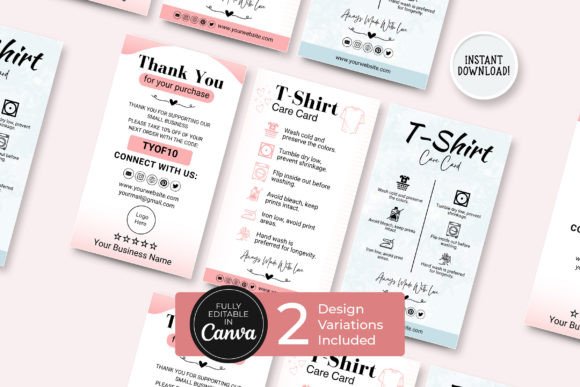
Master Your Brand's First Impression with Editable T-Shirt Care Cards
You know the feeling. You've just poured hours into designing the perfect t-shirt, from selecting the fabric to perfecting the graphic. It's finally ready to ship. But as you fold it neatly and place it in its poly mailer, something feels missing. That small, tangible touchpoint that transforms a simple transaction into a memorable brand experience. This is where a professionally designed care card steps in, acting as the final, crucial layer of your product's story and your brand's commitment to quality.
Beyond Basic Instructions: The Power of a Polished Care Card
For a small business, every single interaction with a customer is a branding opportunity. A generic, text-only instruction slip feels like an afterthought. In contrast, a thoughtfully designed care card does more than just list washing temperatures. It communicates your brand's aesthetic, attention to detail, and respect for the customer's purchase. It's a micro-experience that can increase perceived value, encourage repeat business, and even prompt social media shares when customers appreciate the unboxing moment. The challenge, especially for solo entrepreneurs and small teams, is creating these professional-looking design assets without a graphic designer on speed dial or complex software.
This is precisely the gap that a resource like the Editable T-Shirt Care Card Canva Template is designed to fill. It's not just a template; it's a foundational design system for a specific, critical brand touchpoint. Instead of starting from a blank canvas, you begin with a professionally crafted layout that understands typography, spacing, and visual hierarchy. The true value lies in its flexibility—it serves as a starting point that you mold to fit your unique brand identity, ensuring consistency from your website to your packaging.
Practical Applications for Cohesive Branding
While its primary function is clear, the utility of a well-designed card template extends into various facets of your business operations. Think of it as a modular piece of your brand's visual toolkit. The design principles used for a care card—clean layout, legible typography, balanced use of space—are the same principles that elevate other marketing materials.
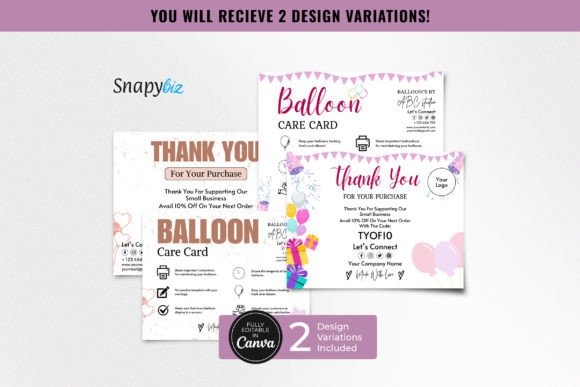
- Packaging & Unboxing: The most direct use. A cohesive set that includes a thank you note and care instructions (like the variations included in template CC-220) creates a polished, professional unboxing experience that delights customers.
- In-Store Displays: For those with a physical retail presence or attending craft fairs, these printable cards can be used as small signage or included with purchased items, maintaining brand consistency offline.
- Social Media Content: Use the design elements or the card itself as a styled prop in product photography. A flat-lay featuring your t-shirt alongside your beautifully designed care card makes for engaging, authentic social media content that tells a richer brand story.
- Digital Product Mockups: If you sell digital files or printables, showcasing your care card template in a mockup helps potential customers visualize the end product, building trust and clarity.
- Brand Asset Development: The color scheme, font pairings, and graphic style you establish on your care card can be pulled into other assets like thank you emails, invoice headers, or social media graphics, creating a seamless visual language.
Designing for Clarity and Confidence
The core of any care instruction card is its readability. A customer shouldn't have to squint or decipher cryptic symbols. This is where thoughtful typography and layout become your best allies. A template built with design fundamentals in mind will guide you toward choices that enhance clarity.
When customizing your template, consider these practical tips:
- Hierarchy is Key: Use font size and weight to create a clear visual flow. Your brand name or a "Thank You" might be in a larger, stylized font, while the actual care instructions should be in a clean, highly legible sans-serif or serif font at a comfortable reading size.
- Font Pairing for Function: A common and effective approach is to pair a display font or script font for headings with a neutral sans-serif font for body text. This combination offers personality without sacrificing the readability of the essential information. Avoid using overly decorative fonts for the small-print instructions.
- Color and Contrast: Ensure your text has sufficient contrast against the background. While a pastel palette might look beautiful, light gray text on a white background will fail in low-light conditions. Always test your design by printing a single sample first.
- Whitespace is Your Friend: Don't cram every inch of the 2x3.5 inch card with text. Strategic whitespace (or negative space) makes the information feel less overwhelming and more approachable, actually improving comprehension.
Streamlining Your Workflow with Editable Assets
One of the greatest hurdles for small business owners is time. The efficiency gained by using an editable template cannot be overstated. Platforms like Canva have democratized design, and a template that's built for this free, user-friendly interface removes the technical barrier entirely. You're not learning a new software; you're simply editing text, swapping colors to match your brand's hex codes, and perhaps uploading your logo.
This efficiency allows you to maintain a professional standard across all customer communications without dedicating an entire weekend to design. It ensures that even as your product line evolves—say, you introduce new t-shirt materials or care requirements—you can quickly update your care cards to reflect those changes, keeping your information accurate and your brand presentation consistent. This adaptability is a silent but powerful component of building a resilient and professional brand identity.
Ultimately, the goal is to inspire confidence. When a customer receives a product accompanied by clear, beautiful, and branded care instructions, it signals that you, the maker, care about the longevity of their purchase and the integrity of your business. It turns a mundane necessity into an extension of the product experience itself, fostering loyalty and setting your small business apart in a crowded marketplace.