Online Courses Resume Template CV: A Modern Professional Edge
Let’s be honest: in a competitive job market, your resume is often the first and only chance you get to make an impression. It’s not just a list of jobs and skills; it’s a personal branding document, a piece of editorial design that has to tell a compelling story in seconds. A cluttered, generic, or poorly formatted CV can end up in the rejection pile before your qualifications are even considered. That’s where a thoughtfully crafted tool comes into play, transforming your career history into a clear, engaging narrative that demands attention.
Beyond the Black-and-White Text Block
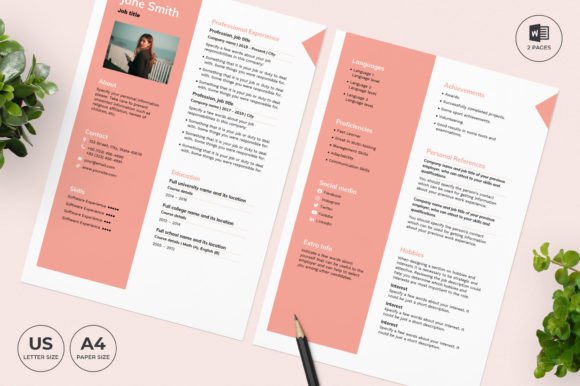
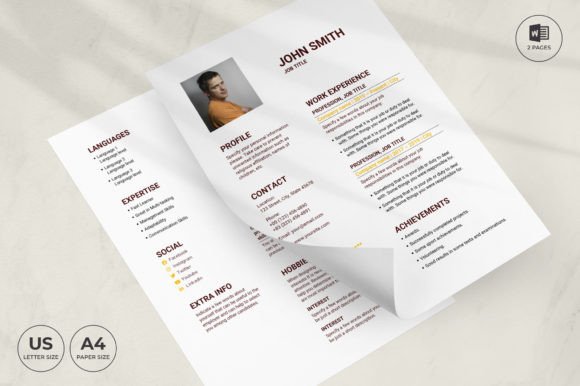
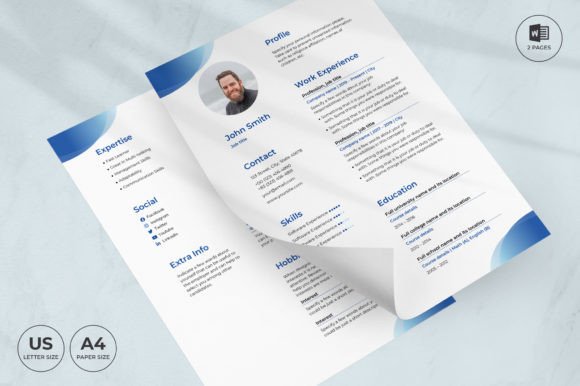
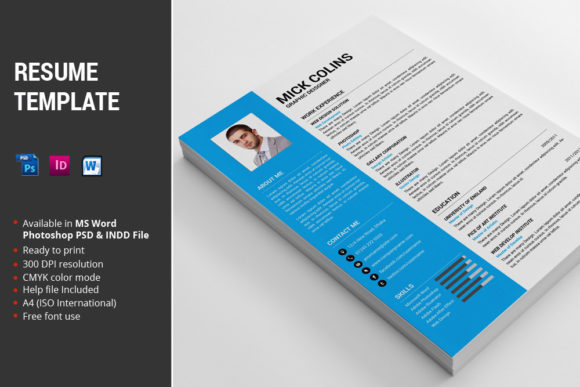
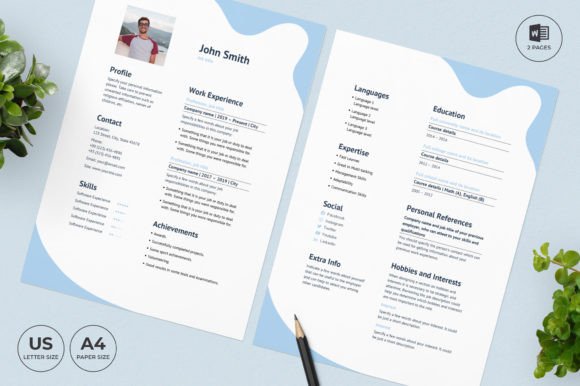
The core problem with most resumes is visual fatigue. Hiring managers scan dozens, sometimes hundreds, of nearly identical documents. A premium template changes this dynamic by applying principles of modern typography and visual hierarchy. It’s not about flashy graphics; it’s about clean, intentional design that guides the reader’s eye to what matters most. Think of it as a curated layout for your professional story. The use of a structured grid ensures everything aligns perfectly, while ample white space prevents the page from feeling cramped. This isn’t just about looking good—it’s about improving readability and ensuring your key achievements aren’t lost in a wall of text.
The Anatomy of a Standout Document
What makes a template like this genuinely useful is its foundation in practical, customizable design. It arrives as a fully editable file, typically in a format like Microsoft Word (DOCX), which means you don’t need advanced design software to use it. Every single element is built to be changed. You can swap out the serif or sans serif font for one that better matches your industry’s tone—maybe a sturdy, reliable typeface for finance or a clean, modern one for tech. Colors, headings, and section order are all yours to adjust. This level of customization is crucial for maintaining brand consistency across all your application materials, from your CV to your cover letter and online portfolio.
Practical Applications for the Modern Professional
While its primary function is job seeking, the utility of a well-designed CV template extends further. For freelancers and small business owners, it becomes a versatile design asset. The same principles that make a resume easy to scan can be applied to creating compelling project proposals, detailed service menus, or one-page company profiles. The structured layout helps organize complex information—whether it’s a project timeline, a list of client testimonials, or a breakdown of service packages—into a digestible format. This is where understanding typography for branding pays off; using the same font family across your resume, business cards, and website reinforces your professional identity.
Choosing Your Tools and Making Them Work
Selecting the right template is the first step; knowing how to wield it is the next. Here’s how to get the most out of this resource:
- Font Pairing Strategy: Don’t just stick with the default. Consider pairing a bold, distinctive display font for your name with a highly readable sans serif font for body text. This creates visual interest without sacrificing clarity.
- Color Psychology: Move beyond standard black. A subtle accent color in your headings or dividers can add personality and make sections easier to identify. Just ensure it’s professional and prints well in grayscale.
- Content is Still King: The template is a vehicle for your story. Use action verbs and quantify achievements. The design’s job is to highlight this content, not replace it.
- Test Print and Digital: Always preview how your final CV looks both on screen and on paper. Check that margins are correct and that the file is truly print-ready at the correct size (A4 or US Letter).
Building a Cohesive Professional Image
Think of your resume as the cornerstone of your personal brand identity. The clean lines and organized structure of a modern template do more than just present information—they communicate qualities like attention to detail, professionalism, and clarity of thought. This visual consistency should carry over to your LinkedIn profile, your email signature, and any digital portfolios you maintain. When an employer sees a seamlessly presented application, it subconsciously signals that you bring that same level of organization and thoughtfulness to your work. It’s about creating a unified visual communication system that tells a cohesive story about who you are as a professional.
Final Thoughts on Execution
Ultimately, the goal is to make your name and your story memorable. A thoughtfully designed CV template is a powerful tool to achieve that, but it’s the combination of smart design and authentic, well-written content that truly moves your resume to the top of the stack. It turns a bureaucratic necessity into a confident statement of your professional value. Take the time to customize it fully, align it with your personal brand, and ensure every line serves a purpose. In the end, a great resume doesn’t just open doors—it starts a conversation.